
Concrete Grind & SEal
Clean, Professional Concrete Floors Without the Cost of Full Polishing.
If you want your concrete to look better, last longer, and be easier to maintain, but do not necessarily need a fully polished concrete system, grind and seal is a smart option. This process upgrades dull, unfinished concrete into a cleaner, more refined surface by mechanically grinding the slab and then applying a protective sealer over the top. It is a popular choice for residential, commercial, and industrial spaces because it offers a strong mix of appearance, function, and value. Grind-and-seal systems are commonly positioned as a faster, more cost-effective alternative to full polished concrete while still improving appearance and day-to-day performance.
At Diamond Group, we install grind and seal floors for customers across the Portland metro area who want a more finished concrete surface without overcomplicating the project. Whether the space is a shop, showroom, garage, warehouse, office, or utility area, our team focuses on proper prep, clean installation, and long-term durability.
What Is Grind and Seal?
Grind and seal is a concrete finishing process that starts by grinding the surface to remove contaminants, open the concrete, and improve the overall look of the slab. After that, a protective sealer is applied to help guard against stains, wear, and everyday use. Unlike polished concrete, which goes through additional refinement steps to create sheen directly in the concrete, grind and seal gets much of its finished look and protection from the topical sealer.
For a lot of property owners, that makes grind and seal the right middle-ground option. It looks significantly better than bare concrete, protects the slab, and is often more budget-friendly than a polished concrete system.
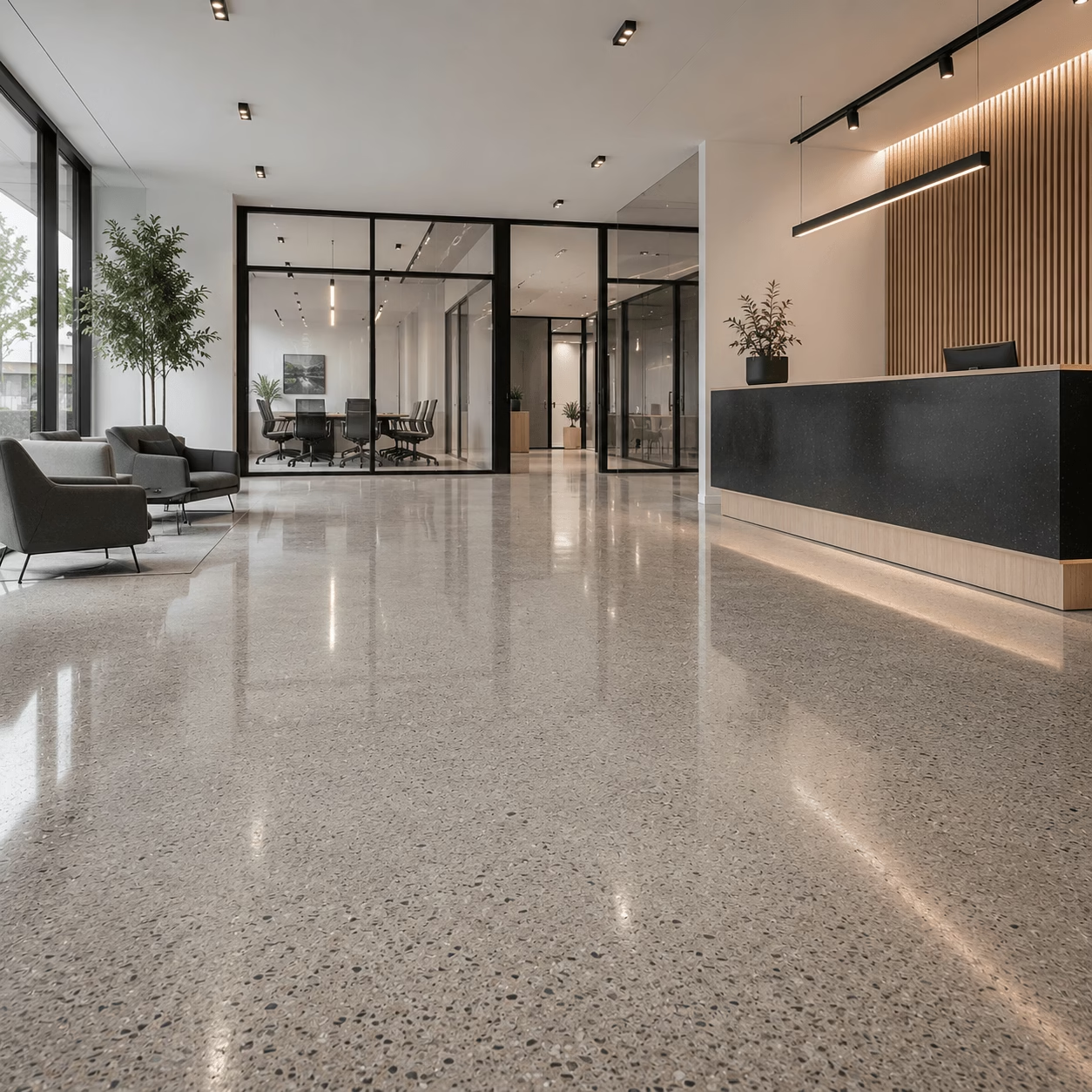
Benefits Of Grind and Seal Floors:
- Improves the look of plain concrete
- Easier to clean than bare concrete
- Helps protect against stains and surface wear
- More affordable than full polished concrete in many cases
- Faster installation than multi-step polishing systems
- Works well in residential, commercial, and industrial spaces
- Can be finished in different sheen levels depending on the sealer
- Makes existing concrete feel cleaner and more intentional
A Practical Alternative to Bare Concrete
Bare concrete tends to stain, collect dust, and show wear quickly. In high-use environments, it can make the whole space feel unfinished even when everything else looks good. Grind and seal helps solve that problem by turning the slab into a more polished-looking, easier-to-maintain surface without requiring a complete floor replacement or a more involved polishing process. Sources describing grind-and-seal regularly highlight its ability to improve appearance, reduce dust, and add stain protection using the existing slab as the base.
That is one reason it is such a strong fit for customers who want practical improvement without going all the way to a premium polished concrete build. You still get a much cleaner presentation, better day-to-day usability, and protection for the concrete underneath.
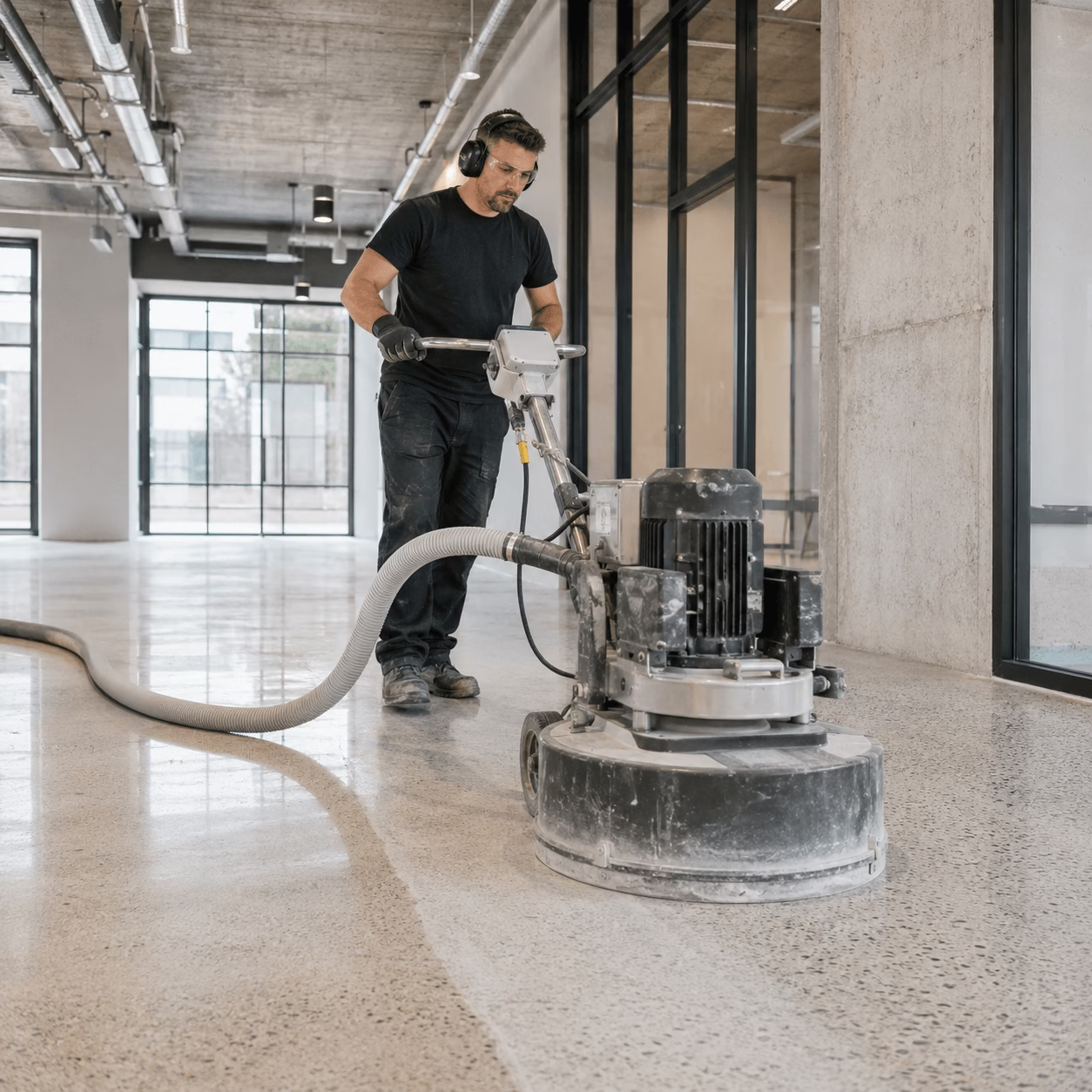
Grind and Seal vs. Polished Concrete
Many customers compare grind and seal to polished concrete, and the right option depends on how the space will be used. Grind and seal usually has a lower initial cost and can often be completed more quickly, which makes it attractive for budget-conscious projects or spaces where downtime matters. Polished concrete, on the other hand, typically involves more refinement and can offer greater long-term abrasion resistance with less need for recoating.
Where Grind and Seal Works Best:
Warehouses
Automotive shops
Retail stores
Commercial showrooms
Offices
Garages
Workshops
Utility areas
Storage spaces
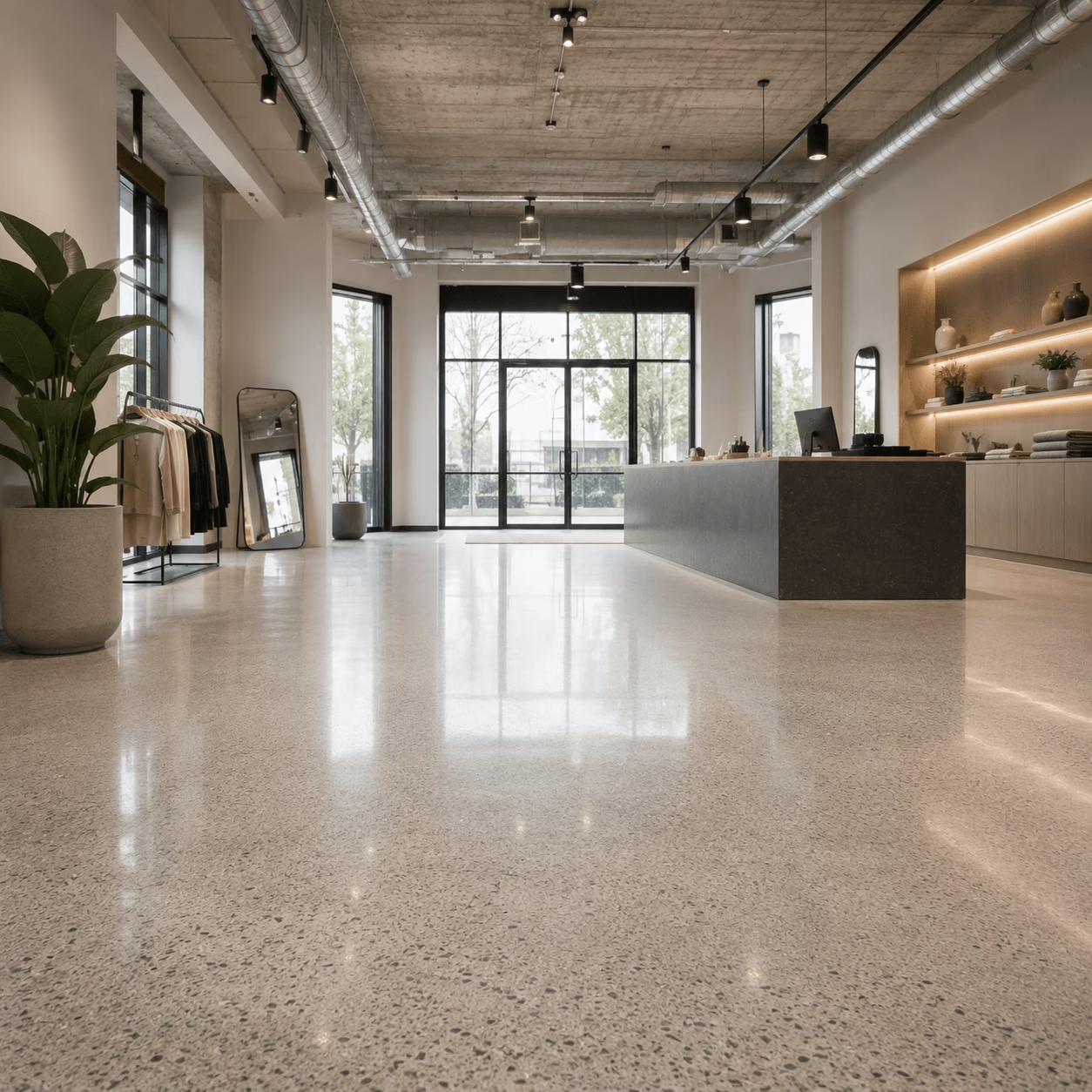
Our Grind and Seal Process
01
Evaluate the Concrete
02
Mechanical Surface Preparation
03
Repairs and Surface Correction
If the slab has minor cracks or damaged areas, those need to be addressed before the final finish goes down. A better base leads to a cleaner final appearance and better overall performance.
04
Sealer Application
Once the concrete is properly prepared, we apply the sealer system selected for the space. Industry sources note that grind-and-seal systems commonly use topical sealers such as acrylics, urethanes, or polyaspartics to create the protective finished surface.
05
Final Protection and Finish
The finished floor is designed to be easier to clean, better protected from daily wear, and more visually refined than untreated concrete. Depending on the chosen system, the finish can range from a lower-sheen look to a more reflective appearance. Sources discussing grind and seal note that different sealer choices can influence both the look and performance of the floor.
What to Know About Maintenance
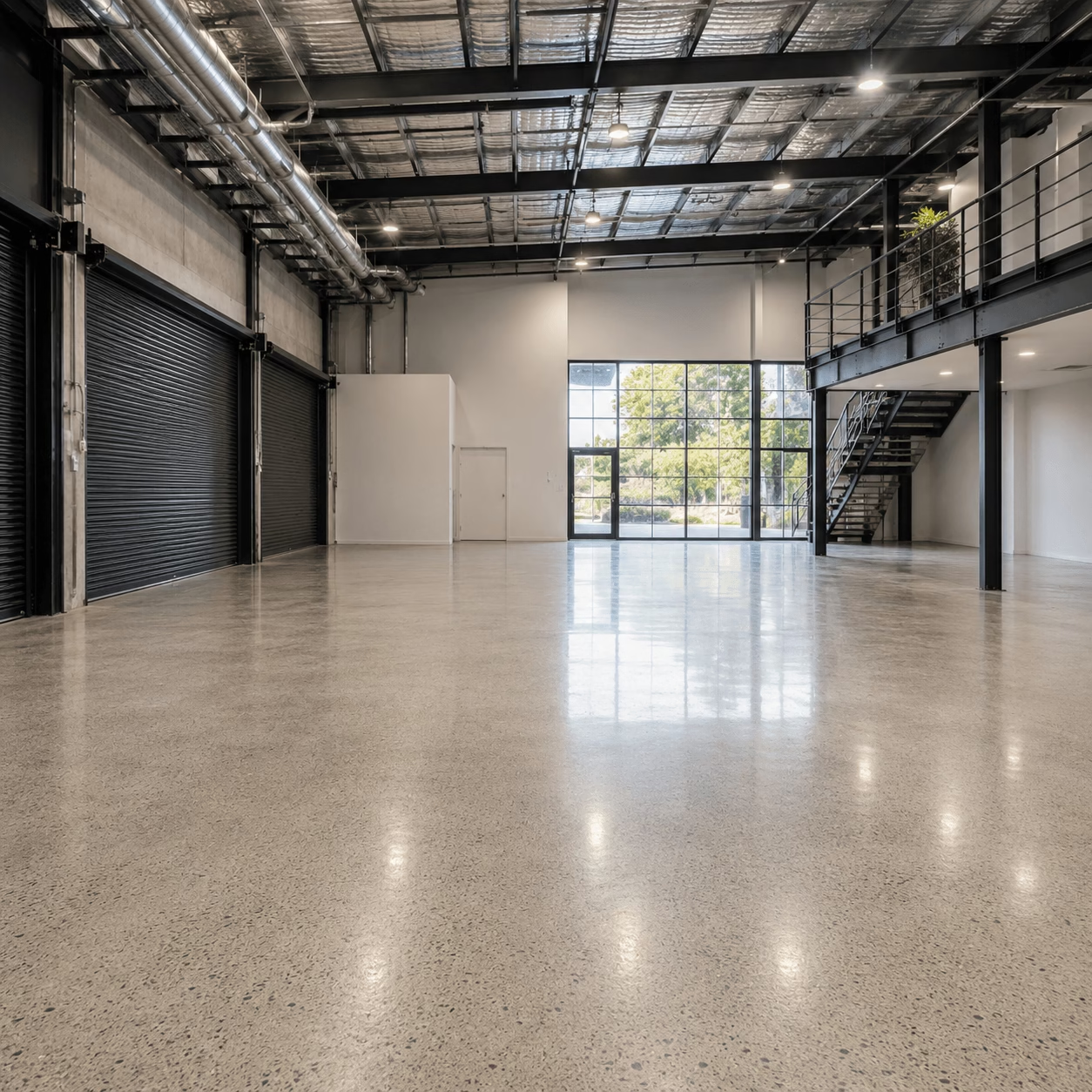
Common Questions About Grind and Seal
Grind and seal uses grinding plus a protective topical sealer to create the finished surface, while polished concrete goes through additional polishing steps to create sheen and performance directly in the concrete. Grind and seal is usually faster and less expensive upfront, while polished concrete can offer stronger long-term wear in higher-traffic environments.
Yes. It is commonly used in warehouses, retail stores, automotive spaces, and showrooms because it improves appearance and usability without the cost of more complex systems. The reference page specifically names these use cases.
Yes. Because the floor is ground and sealed, it is generally easier to maintain than untreated concrete and offers better stain resistance and less surface dust.
Yes. Since the system depends on a topical sealer, it may need periodic resealing as the finish wears over time. High-traffic areas usually need more attention than lighter-use spaces.
It works well in garages, shops, commercial interiors, storage spaces, warehouses, and other areas where customers want improved concrete without investing in full polished concrete.
Yes. Diamond Group offers free quotes for flooring and concrete coating projects throughout the Portland metro area.
Upgrade Your Concrete Today
If your concrete is functional but worn, dusty, or visually underwhelming, grind and seal can be a smart way to improve the space without overcomplicating the project. Diamond Group installs grind and seal floors for customers across the Portland metro area who want better-looking concrete, easier maintenance, and reliable everyday performance.